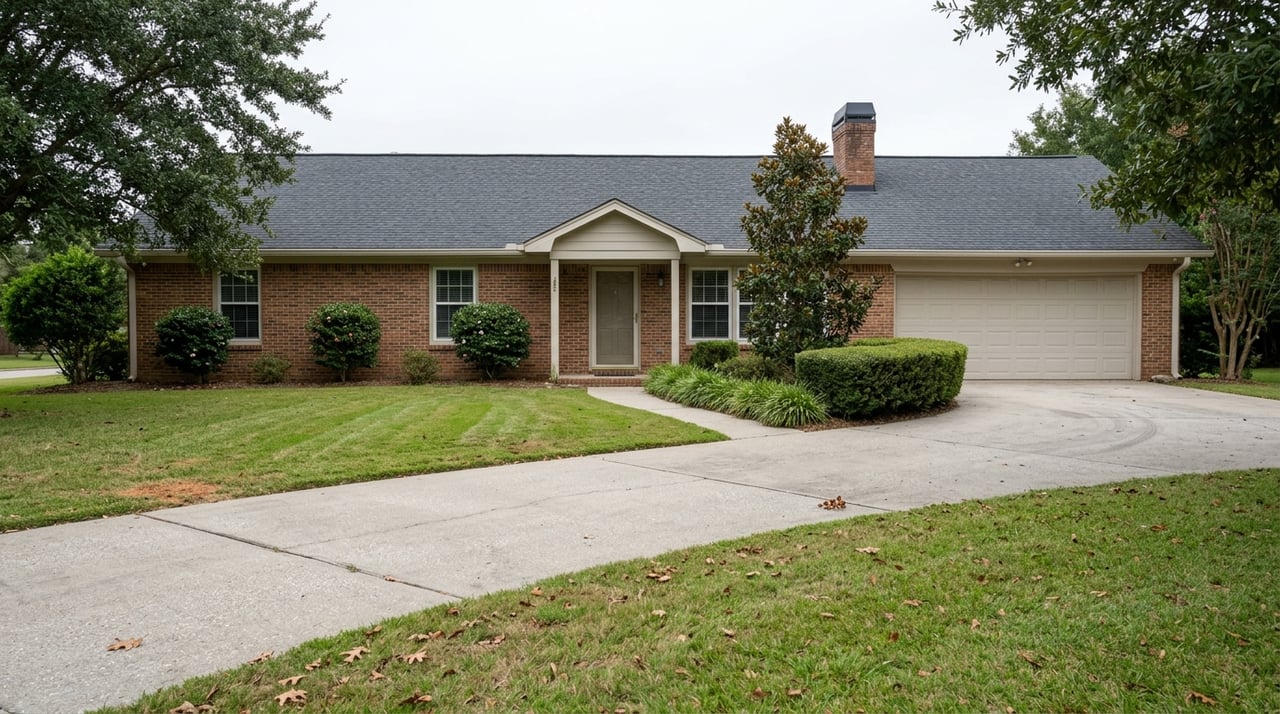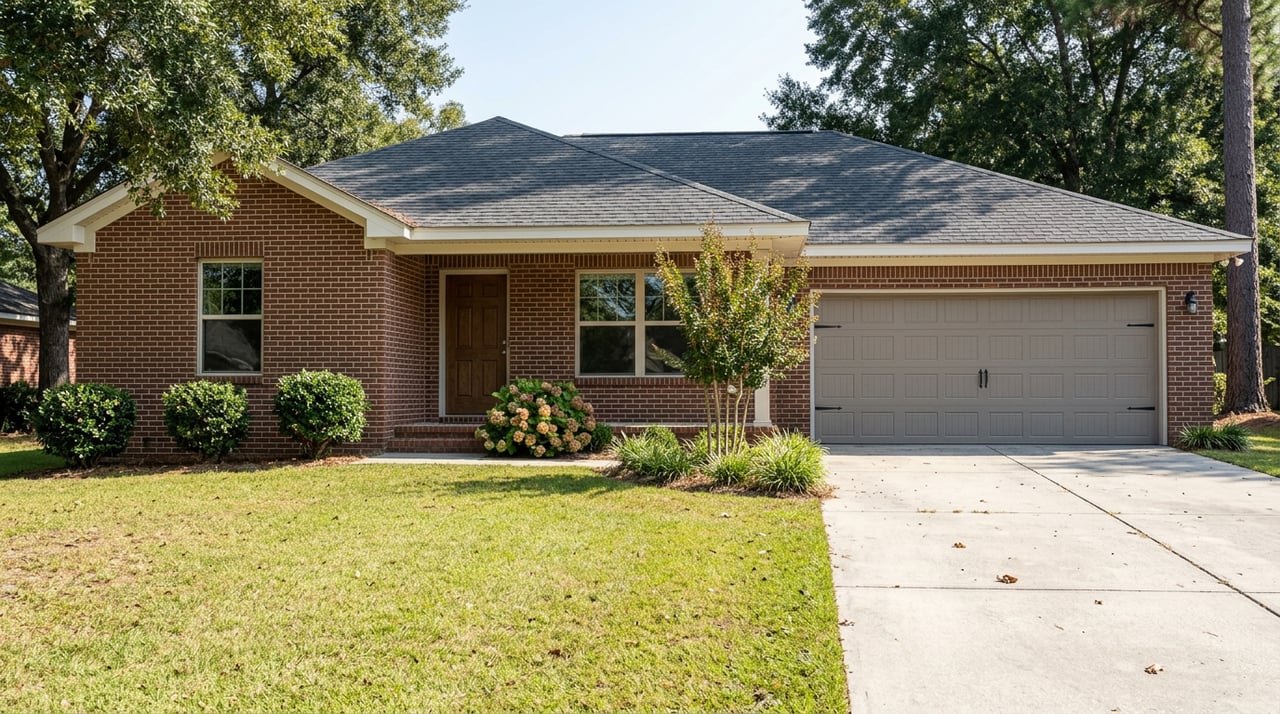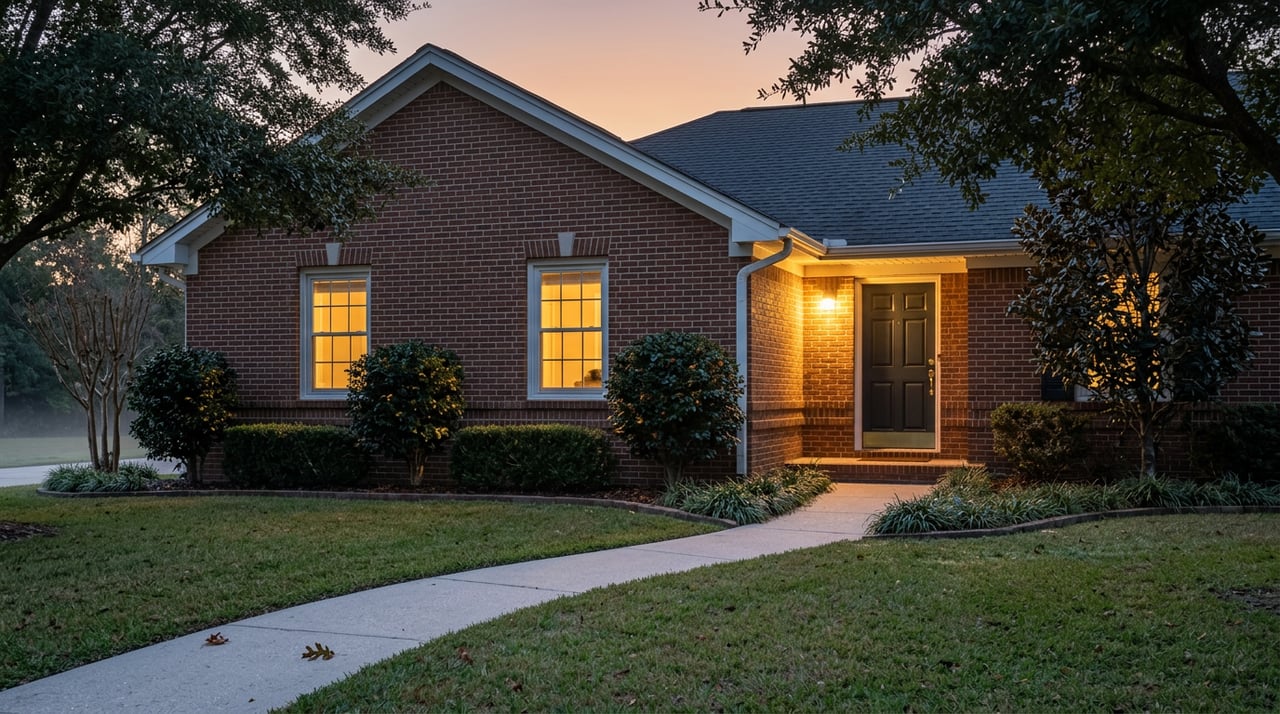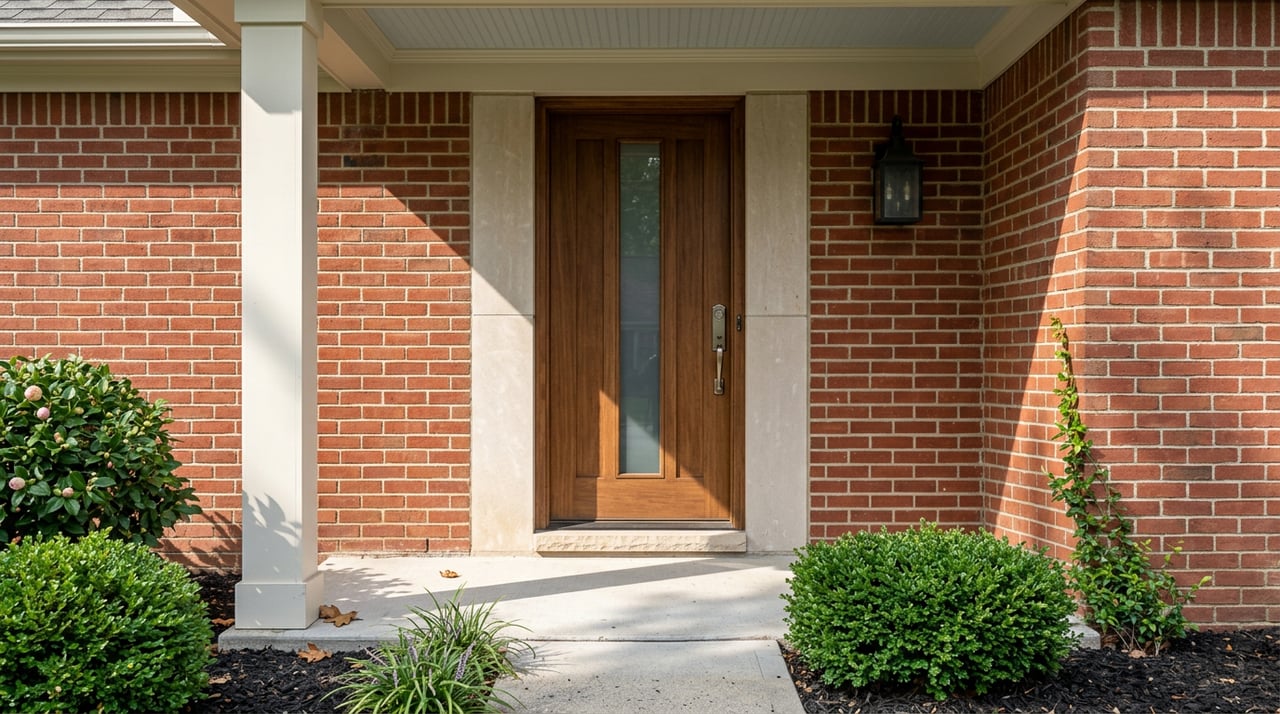
If you are thinking about buying or keeping a rental home in Perry, you are probably asking the right question: will this property be simple to manage and steady over time? That matters because owning a rental is not just about collecting rent. It is about choosing the right home, understanding local demand, and staying on top of Georgia rules. In this guide, you will learn what shapes Perry’s rental market, what property types tend to fit best, and what responsibilities come with ownership. Let’s dive in.
Why Perry draws rental demand
Perry sits within Houston County, where a large regional workforce supports housing demand. The Houston County development authority identifies Robins Air Force Base as the area’s largest employer, and it also points to other major employers including the Houston County school system, Perdue, Emory Healthcare, and Frito-Lay.
For you as a rental owner, that matters because a broad employer base can support a wider tenant pool. In Perry and the surrounding area, renters may include military households, healthcare workers, educators, and manufacturing employees. That kind of demand can make long-term rentals feel more grounded in everyday housing needs rather than short-lived trends.
Perry also shows a meaningful mix of owners and renters. Census data reports an owner-occupied housing rate of 64.8%, median gross rent of $1,132, and 9,051 households. Houston County’s median household income is $80,698, which helps frame the broader economic picture around the local housing market.
Perry housing stock shapes rental choices
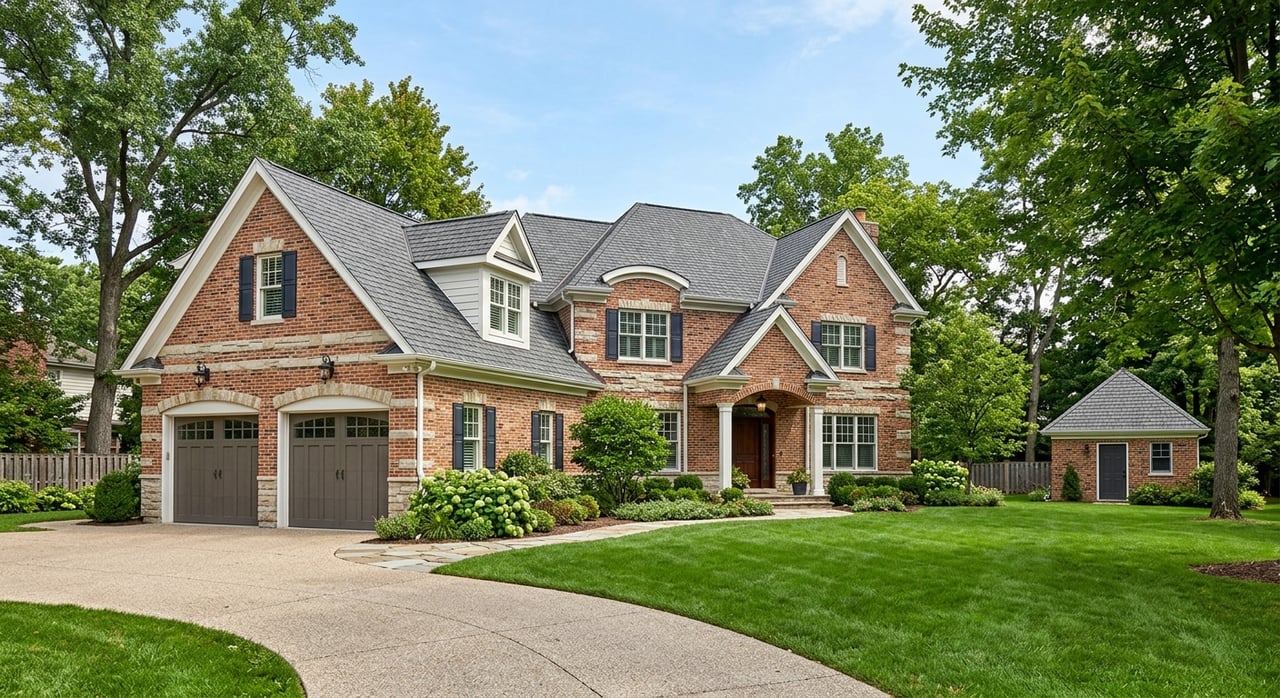
If you are shopping for a rental home in Perry, you are likely looking at a single-family property first. A city planning document reported that Perry had 6,646 housing units, with 87.8% occupied, and that single-family homes made up 68.3% of the housing stock.
That same report showed multifamily housing at 26.9% and manufactured or mobile homes at 4.8%. In practical terms, Perry’s long-term rental market appears more weighted toward detached homes than apartment inventory. That can be useful if your investment strategy focuses on traditional homes in subdivisions or established residential areas.
Secondary options may include townhomes, duplexes, or downtown infill properties. Still, the local housing mix suggests that the most common long-term rental play in Perry is a single-family home that fits everyday household needs.
What rent benchmarks can tell you
Setting expectations on rent is one of the most important steps before you buy. Perry’s Census profile lists a median gross rent of $1,132, which gives you a broad local reference point.
It also helps to compare that figure with wider Houston County benchmarks. HUD’s FY2026 Fair Market Rent schedule for the Warner Robins HUD Metro area, which includes Houston County, lists $1,221 for a one-bedroom unit, $1,362 for a two-bedroom unit, $1,821 for a three-bedroom unit, and $2,148 for a four-bedroom unit. These are program benchmarks, not fixed market caps, but they can help you pressure-test your numbers.
Downtown Perry offers a more specific example of what newer or repositioned rental product may command. A 2023 downtown housing study modeled market-rate apartments at roughly $1,150 to $2,100 for units between 600 and 1,300 square feet, and it found annual potential for 162 renter households in the study area. Those numbers are downtown-specific, not citywide averages, but they do show demand for well-finished units near amenities.
Long-term rentals and local rules
Not every rental property follows the same local framework. Perry’s short-term rental ordinance defines a short-term rental as a dwelling rented for less than 30 consecutive days.
That means a traditional rental home with a standard long-term lease falls into a different category. If your goal is stable, year-round occupancy, you will usually be thinking in terms of long-term leasing rather than short-term rental operations.
This distinction matters because it affects how you plan your investment. A long-term rental strategy in Perry is generally more tied to workforce housing, commuting patterns, and consistent lease management.
What Georgia landlords need to handle
Owning a rental home in Perry also means following Georgia landlord-tenant rules carefully. The Georgia Landlord-Tenant Handbook, revised August 29, 2024, is the state’s main consumer guide for residential rental law, and it emphasizes that lease terms matter because disputes are generally enforced through the courts.
A strong lease should clearly spell out the basics. That includes the landlord or agent, the property, lease term, rent and due date, grace period and late fees, payment method, utility responsibilities, early termination terms, security deposit, house rules, pest control, repair requests, and entry rules.
Georgia landlords also have a duty to keep the property in good repair and in a safe, habitable condition. That includes maintaining the structure and keeping electric, heating, cooling, and plumbing systems working.
Security deposit rules to know
Security deposits are one area where details matter. In Georgia, a security deposit cannot exceed two months’ rent.
If you own more than 10 units or use a management agent, the deposit must be held in escrow or bonded. On move-out, the law requires a damage inspection within three business days after the lease ends, tenant review within five business days, and return of the deposit within 30 days, along with an itemized statement if any amount is withheld.
For many owners, this is where rental management becomes very hands-on. Good records, clear photos, and timely communication can help you stay organized and reduce disputes.
Lease endings and nonpayment timelines
You should also understand how Georgia handles lease changes and tenancy endings. For a tenancy-at-will arrangement, a landlord must give 60 days’ notice to end the tenancy or change rent, while the tenant must give 30 days’ notice to leave.
For nonpayment of rent, the Georgia handbook says at least three business days’ notice is required before filing a dispossessory action. The handbook also explains that private landlords generally do not have to provide a reason for declining to renew or extend a lease unless the lease says otherwise, as long as fair housing laws are followed.
These timelines are one reason it helps to stay proactive. When rent collection, notices, and lease dates are tracked closely, you are less likely to face costly delays.
Fair housing compliance matters
Every Perry rental owner should treat fair housing compliance as a core part of the job. Georgia’s landlord-tenant guidance explains that protected classes include race, color, religion, sex, national origin, familial status, and disability.
That means you cannot refuse, steer, or treat applicants differently based on a protected class. Landlords must also make reasonable accommodations for tenants with disabilities when required.
For you, the practical takeaway is simple: keep your screening criteria consistent, document your process, and use neutral standards that apply equally to every applicant. A careful process protects both your business and the people you serve.
Why turnover can make or break returns
A rental home can look great on paper and still become stressful if turnover is poorly handled. In Georgia, move-in documentation, move-out inspections, deposit accounting, and rent-ready repairs all play a major role in the ownership experience.
Turnover is often where the real work shows up. You may need to coordinate cleaning, repairs, paint, maintenance vendors, and the next lease timeline while staying within legal requirements for inspections and deposit handling.
In Perry, where rental demand is tied to steady household needs, keeping a home well maintained and ready for the next qualified tenant can support more consistent long-term performance. The less downtime you have between leases, the better your numbers often look.
When professional management helps
If you do not want to handle every detail yourself, professional management can be worth serious consideration. In Georgia, property management is treated as brokerage activity, which means active licensees must perform it as a broker or on behalf of a broker.
For you, that means any third-party manager should be operating through a properly licensed Georgia brokerage. That is an important check before you hand over leasing, deposits, or tenant communication to someone else.
In practice, professional management in Perry usually includes tasks such as:
- Tenant screening
- Lease execution
- Rent collection
- Maintenance coordination
- Lease renewals
- Move-out accounting
- Compliance monitoring
If you value a more hands-off investment, having local support can make the experience much smoother. It can also help if you live out of town, have multiple properties, or simply want more structure around leasing and turnover.
What a smart Perry rental strategy looks like
In many ways, owning a rental home in Perry is less about chasing quick upside and more about steady execution. The local housing stock, employer base, and long-term lease structure all point toward a market where consistency matters.
A practical strategy often starts with the right property type. In Perry, that usually means a well-located single-family home that fits the needs of long-term renters and can be maintained without constant surprises.
From there, success usually comes down to a few basics:
- Buy with realistic rent expectations
- Use a detailed lease
- Follow Georgia deposit and notice rules
- Keep the home safe and in good repair
- Plan for turnover before it happens
- Get licensed professional management help if you want less day-to-day involvement
If you are considering a rental home in Perry, local knowledge matters. From understanding demand tied to Robins Air Force Base and other major employers to navigating property management and long-term leasing, having the right guidance can help you make cleaner decisions. When you are ready to talk through rental opportunities, leasing support, or property management in Middle Georgia, connect with AF Realty Group.
FAQs
What types of rental homes are most common in Perry, Georgia?
- Perry’s housing stock is led by single-family homes, which make up 68.3% of local housing units according to a city planning document.
What is a useful rent benchmark for Perry rental owners?
- Perry’s Census profile lists median gross rent at $1,132, and HUD’s FY2026 Fair Market Rent schedule for Houston County shows broader benchmarks by bedroom count.
What is the security deposit limit for rental homes in Georgia?
- Georgia limits security deposits to no more than two months’ rent.
What are Georgia’s move-out deposit deadlines for landlords?
- Georgia requires a damage inspection within three business days after the lease ends, tenant review within five business days, and deposit return within 30 days if required documentation is completed.
Does Perry treat short-term and long-term rentals the same way?
- No. Perry defines a short-term rental as a dwelling rented for less than 30 consecutive days, so traditional long-term leases fall into a separate category.
Should a Perry rental owner use a property manager?
- A property manager can help with screening, leasing, rent collection, maintenance coordination, renewals, and compliance, especially if you want a more hands-off ownership experience.