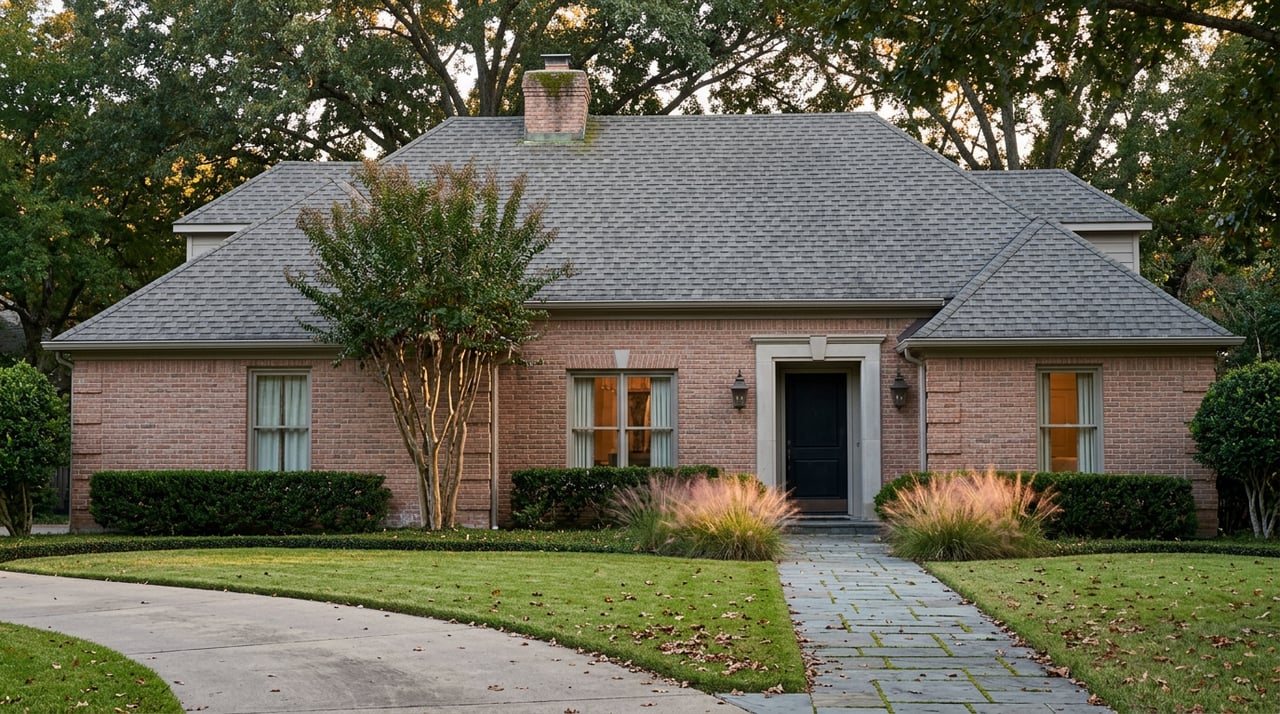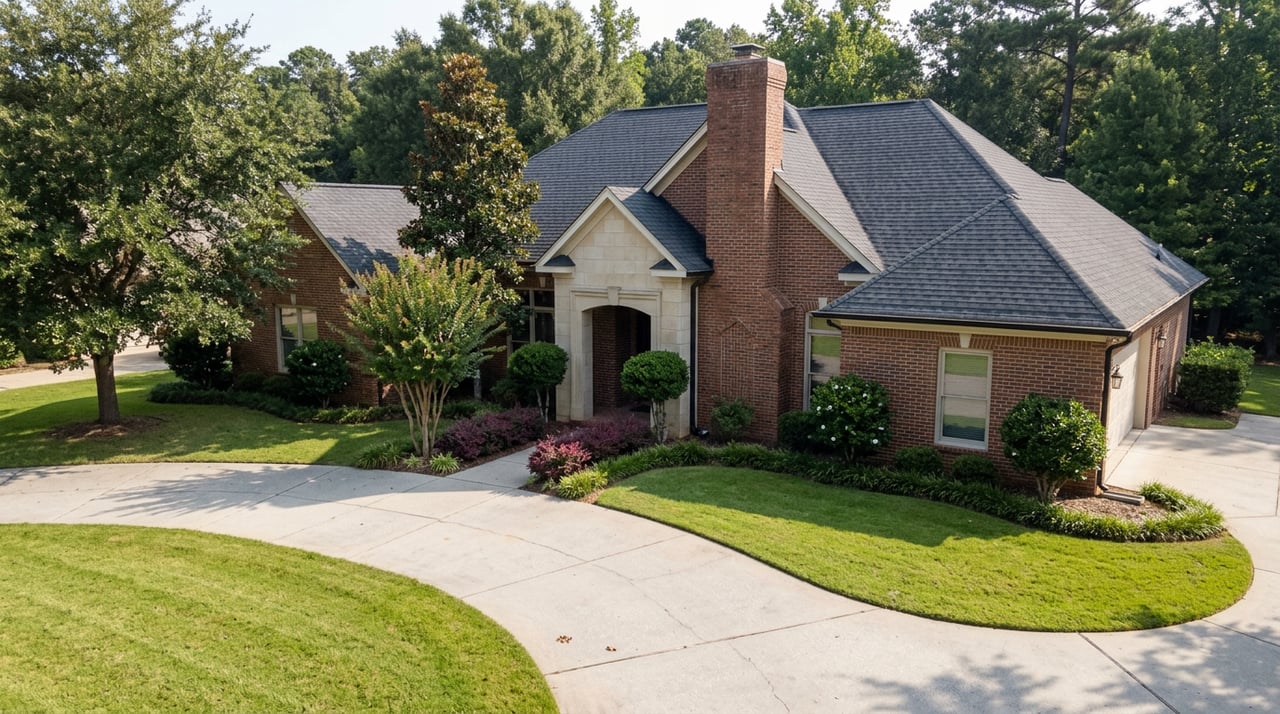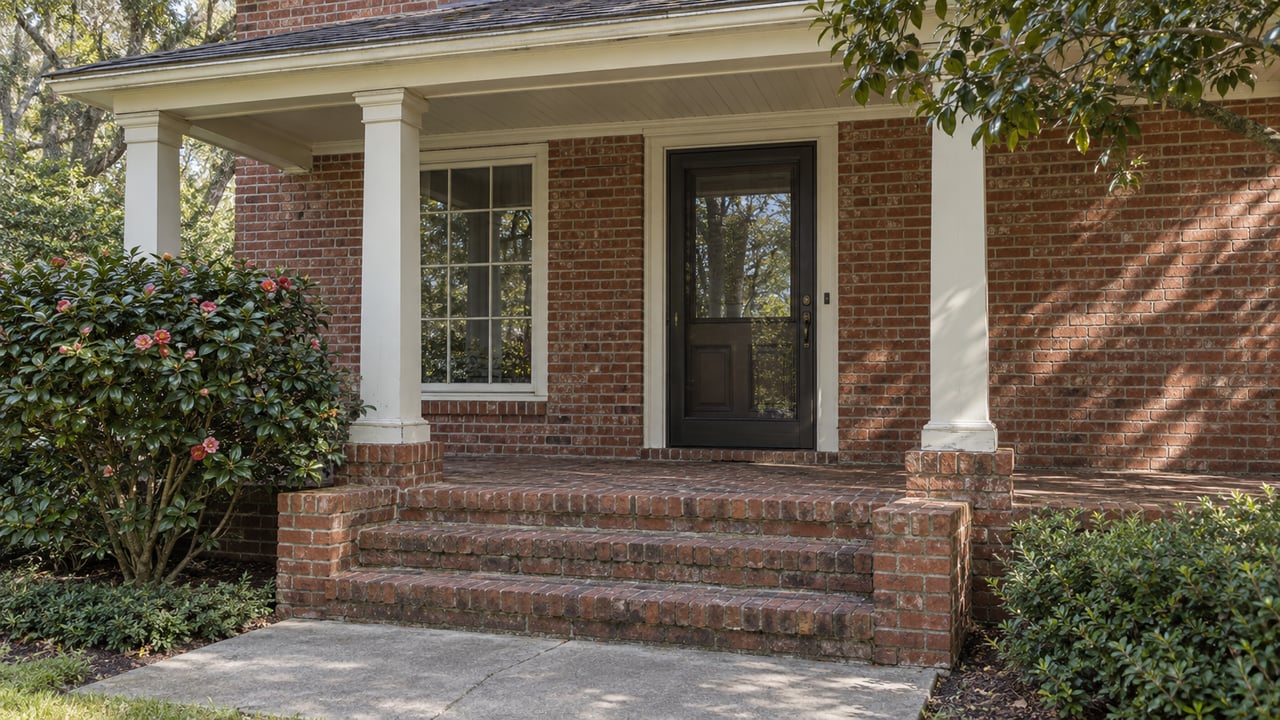
Cassidy and Alex Mims stood before the Macon-Bibb County Planning & Zoning Commission after a neighbor filed an anonymous complaint about renovations to their home in one of the city's historic districts. The work had already been done. Now the commission wanted to know why it hadn't gone through design review first. Board chair Jeane Easom reminded them that the district's own residents had asked for the historic designation years earlier, specifically to protect their home values. Alex Mims pushed back, arguing the county should worry about blight elsewhere in the city. Cassidy's answer was simpler: the rules predated them, and they hadn't known.
That exchange, reported by 13WMAZ, captures something that doesn't show up on a listing sheet. In Macon, the word "historic" attached to a neighborhood name can mean two very different things, and only one of them comes with a government office you have to visit before you touch the exterior of your own house.
The Rulebook Only Five Districts Follow
Macon-Bibb County's Design Review Board has jurisdiction over exactly five zones: the Central Business District, Cherokee Heights, Vineville, Intown, and Beall's Hill. Any exterior change visible from a public street inside those districts, a fence, a new window, an awning, a carport, requires a Certificate of Appropriateness before a contractor can start work. County zoning codes make the boundary easy to spot once you know what to look for: districts beginning with the letter H (HR-1, HR-2, HR-3, HBH) or CBD fall under design review, according to Historic Macon Foundation's own explainer on how the process works.
The applications reviewed by the board through 2026 show how granular this gets. A homeowner on Stanislaus Plaza needed sign-off for modifications to a side porch. Someone on Walnut Street asked to keep existing vinyl windows rather than replace them with a period-appropriate material. A resident on Bond Street filed for a fence. Another on Pierce Avenue needed approval for driveway and garage changes. None of these are large projects. All of them required a Certificate of Appropriateness first.
The process itself has a fixed rhythm. Applications must be filed at least 26 days before a public hearing. The Design Review Board meets the first Monday of the month at 4 p.m. and forwards its recommendation to the full Planning & Zoning Commission, which votes the following Monday at 1:30 p.m. A straightforward request can take five to six weeks from filing to final decision. A contested one, like the Mims case, can take longer and return to the commissioners for a further hearing.
The Other Districts on the Same National Register, Playing by Different Rules
Macon has several more neighborhoods listed on the National Register of Historic Places that never pass through this process at all. East Macon, Fort Hill, Ingleside, Pleasant Hill, North Highlands, Shirley Hills, and Tindall Heights carry federal historic recognition with no local design review board attached. A homeowner in Fort Hill can replace a window, repaint, or add a carport without filing anything with Macon-Bibb's Design Review Board. A homeowner two miles away in Vineville needs a Certificate of Appropriateness for the same project.
Both addresses might appear on a listing as "historic district." Only one of them means an extra government office is involved every time you want to change something visible from the street.
Nobody Is Required to Point This Out
Georgia's seller disclosure form has a box on its first page asking whether a property sits in a historic district where permission is required for modifications. Checking that box is required. Explaining what it means in practice is not. Historic Macon Foundation's executive director, Ethiel Garlington, has said withholding that context from a buyer is bad business even if it isn't a legal obligation.
If you want to know before you write an offer, the county's zoning map lets you type in a specific address and see its designation. The Macon-Bibb Board of Tax Assessors includes the same zoning information on each parcel's report. Both are free, and both answer the question a disclosure checkbox alone does not.
What the Price Tags Don't Explain
It would be convenient if design review tracked neatly with price, either as a premium buyers pay for extra protection or a discount they get for extra red tape. District-level sales data through June 2026 doesn't support either story.
| District | Design review required | Median sale price (through June 2026) |
|---|---|---|
| Downtown Macon | Yes (CBD-1 / CBD-2) | $520,000 |
| Intown | Yes | $329,950 |
| Ingleside | No | $309,999 |
| Vineville | Yes | $252,912 (down 17.1% year over year) |
| Fort Hill | No | $95,000 |
Ingleside, with no design review board at all, sells within striking distance of Intown, which has one of the strictest review processes in the county. Vineville, fully regulated, posted a double-digit price pullback over the past year even as Downtown Macon's regulated parcels commanded the highest median in the group. Fort Hill, also unregulated, is the least expensive district here by a wide margin. Whatever is driving these gaps, it isn't whether the district requires a Certificate of Appropriateness.
That same unpredictability shows up at the citywide level. Sales data through August 2026 put Macon's median closing price near $185,000, but the middle half of all closings spanned roughly $70,000 to $289,000. A citywide number tells you almost nothing about what a specific block will cost. Design review status tells you almost nothing about it either. What actually explains the spread is condition, block-specific comparable sales, and how much work a given house has already had done, the same variables a citywide or district-wide average was built to average away.
What This Means If You're Comparing Neighborhoods
The practical takeaway isn't that one type of historic district is better than the other. It's that "historic district" is doing two separate jobs on a listing sheet, and conflating them leads to bad assumptions in both directions. A buyer drawn to a fixer-upper in Fort Hill for the price should know they won't need government sign-off to swap a window, but they also won't get the review process the Vineville Historic Neighborhood Association intended when it asked for that designation to protect home values in the first place. A buyer paying up for a renovated bungalow in Intown or Vineville should know the same review process that protects the block's character also means their own future renovation plans go through a public hearing.
Before comparing price per square foot across districts, it's worth checking one thing first: does this specific parcel's zoning code start with H or CBD. That single detail determines whether your ownership experience includes a Design Review Board meeting or not, and no amount of comparing median prices across neighborhoods will surface it for you.
A Few Questions Worth Asking
Does design review cover interior renovations? No. The Certificate of Appropriateness process only applies to exterior changes visible from a public right of way. Interior work in any of the five DRB districts doesn't require this approval.
How would I know if a home I'm considering has an open or past violation? Macon-Bibb's Planning & Zoning Commission posts hearing agendas and results publicly, and past Certificate of Appropriateness applications for a given address are part of the public record through the county.
Do all seven National Register districts outside DRB oversight have zero rules at all? They have no local design review requirement from Macon-Bibb County. Some may still carry deed restrictions or neighborhood association guidelines separate from the county process, which is worth confirming with the specific homeowners association if one exists.
Whether you're weighing a project house in one of Macon's unregulated National Register districts or a move-in-ready home inside a Design Review Board zone, the parcel's zoning code answers a question the price alone can't. Amanda Fiebig and the AF Realty Group team pull that history block by block before you write an offer, so you know exactly what kind of "historic" you're buying into.