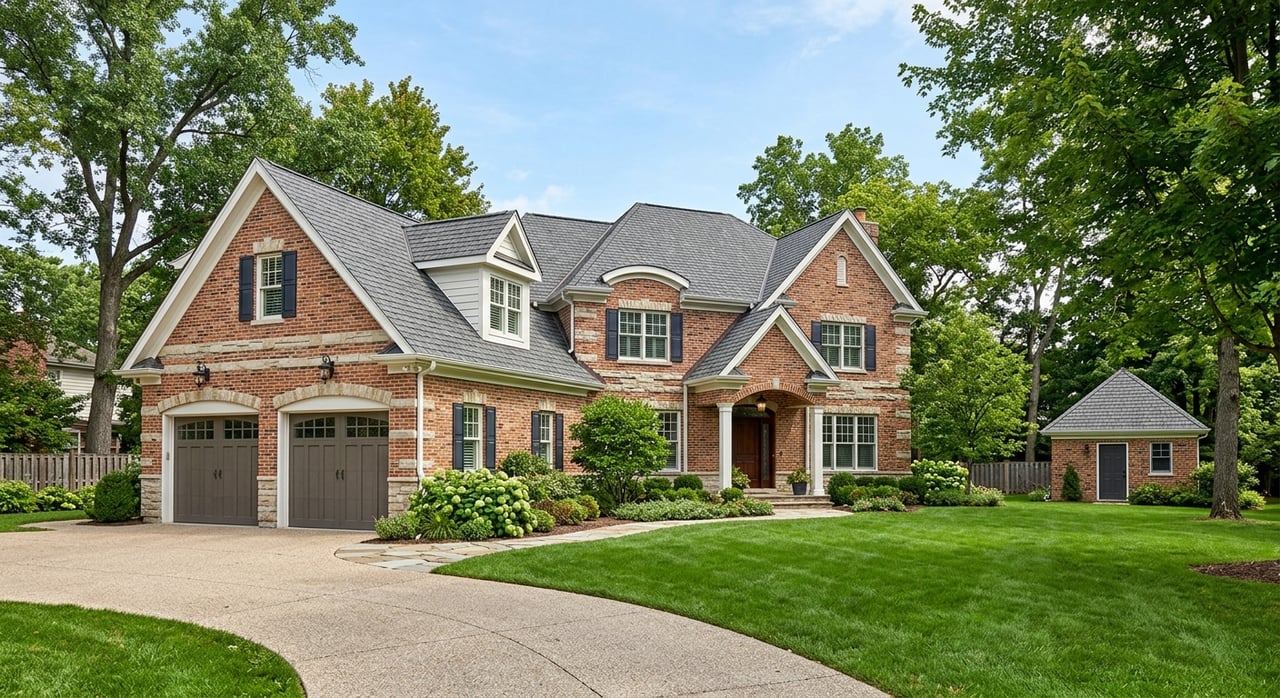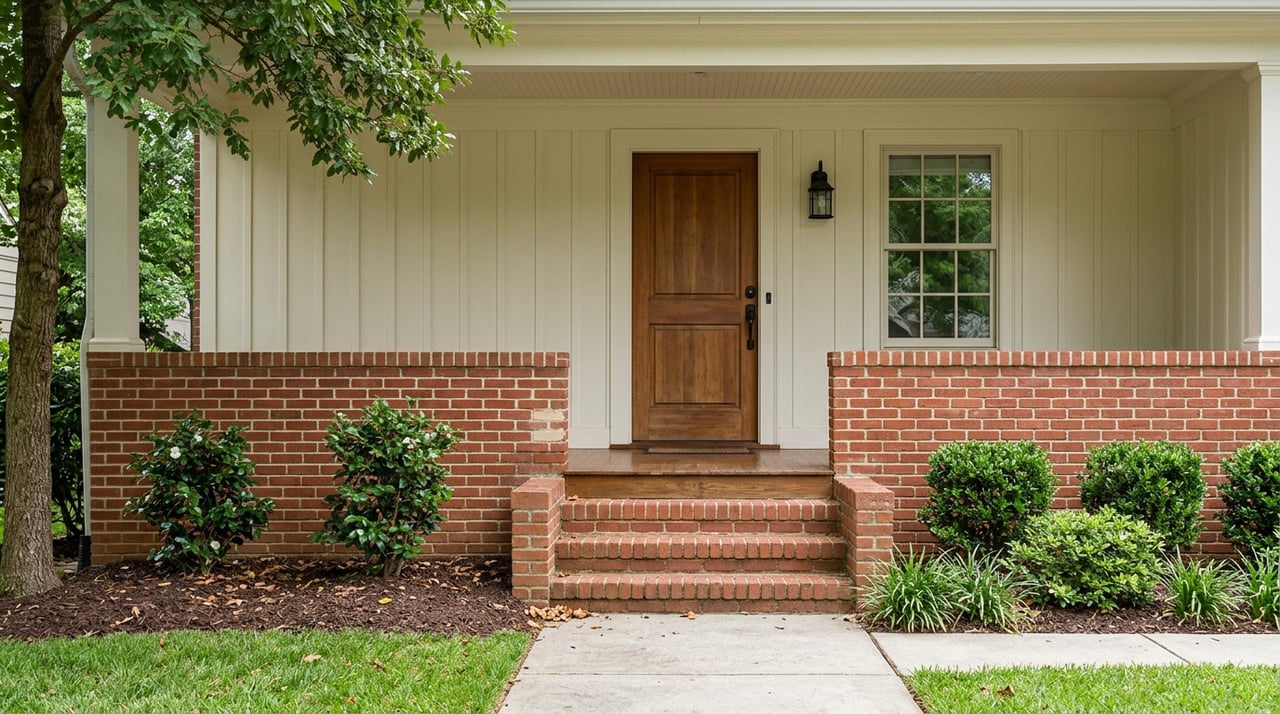
Wondering how to sell an older home in Macon without over-improving it or scaring buyers off? You are not alone. Many sellers in Macon own homes with age, charm, and history, but also older systems and maintenance questions. The good news is that buyers in this market are used to older housing stock, and with the right plan, you can present your home confidently and competitively. Let’s dive in.
Why older homes sell in Macon
Older homes are a real part of the Macon housing market, not an exception. Macon-Bibb housing data shows a significant share of homes were built before 1980, including homes from 1939 or earlier, the 1950s, 1960s, and 1970s. That means many buyers shopping in Macon already expect to see older layouts, materials, and systems.
That context matters when you prepare to sell. Your home does not need to compete with brand-new construction on every feature. Instead, it should compete on condition, pricing, documentation, and character.
Market pace matters too. Recent data shows Macon homes selling around the low $200,000s and taking roughly 54 days on market, with Bibb County near 59 days. In a market like that, realistic pricing and smart preparation usually matter more than expensive cosmetic projects.
Price with Macon buyers in mind
One of the biggest mistakes sellers make with older homes is assuming every upgrade will pay off. In Macon, where value matters to many buyers, overspending before listing can shrink your return. A selective plan usually works better.
Start by looking at your home through a local buyer’s eyes. Buyers may pay more for a property with appealing architecture, a strong location, and visible upkeep, but they still compare price against condition. If your home has older kitchens, baths, or finishes, that does not automatically hurt the sale, but the asking price should reflect it.
Submarket differences also matter. Recent snapshots show Downtown Macon around $235,000 and Ingleside Historic District around $360,000, compared with about $212,000 citywide. That tells you age alone does not determine value. Location, style, and condition often shape buyer interest just as much.
Fix the issues buyers notice first
If you are deciding where to spend money before listing, begin with the items most likely to affect inspections, financing, or buyer confidence. Older homes can show beautifully, but visible deferred maintenance tends to raise red flags fast.
The first dollars usually go toward core issues like:
- Active roof leaks
- Water intrusion or rot
- Plumbing problems
- Electrical hazards
- HVAC systems that do not function properly
- Structural concerns
- Damaged exterior areas that create a poor first impression
These are the kinds of issues that often lead to repair requests, price reductions, or buyer hesitation. If you only have room in the budget for a few improvements, prioritize the repairs that make the home feel safe, functional, and well cared for.
Consider a pre-sale inspection
For many older homes in Macon, a pre-sale inspection is a smart move. It can help you understand what a buyer is likely to uncover before your home hits the market. That gives you more control over timing, repair decisions, and pricing strategy.
A typical inspection may review the structure, roof, exterior, plumbing, electrical, HVAC, insulation, ventilation, and fireplaces. If your home has several aging systems, getting that information early can help you avoid surprises once you are under contract.
A pre-sale inspection does not mean you must fix everything. It simply gives you a clearer roadmap. In many cases, it helps you decide what to repair, what to disclose, and what to leave for the next owner.
Know your disclosure duties
When you sell an older home, transparency matters. Under Georgia law, sellers have a duty to disclose adverse material facts they actually know about the property. Buyers are still expected to inspect the property and surrounding area, but that does not remove the seller’s obligation to be honest about known issues.
For an older Macon home, that may include known leaks, structural concerns, environmental issues, or prior repairs and remodels. If you know about a recurring problem, it is better to address it clearly than hope it stays hidden. In most transactions, clear documentation and honest communication build more trust than a perfect-looking house with unanswered questions.
Check permits and past work
Older homes often come with a long repair history. Over the years, owners may have added rooms, replaced roofs, updated electrical panels, enclosed porches, or changed major systems. Before you market those improvements as selling points, make sure the paperwork supports them.
In Macon-Bibb, building permits are processed through Community Connect, and construction work must meet zoning and permit requirements. If you are unsure whether past work was permitted, checking permit history before listing is a wise step.
This is especially important if your home has:
- Additions or converted spaces
- Major roof replacement
- Structural changes
- Plumbing or electrical upgrades
- HVAC replacement
- Exterior work that may affect zoning or review requirements
Missing permits do not always stop a sale, but they can slow negotiations and create uncertainty. If you can provide records, receipts, and inspection paperwork, buyers often feel more comfortable moving forward.
Watch for historic district rules
Some older homes in Macon sit in areas with added review requirements. Macon-Bibb states that properties zoned H or CBD are in a Design Review District and may require Design Review Board review and a Certificate of Appropriateness. Current design-guideline work includes the Intown, Central Business District, Vineville, and Cherokee Heights historic districts.
If your home is in one of these areas, that does not make it harder to sell. It simply means you should be careful about how you present exterior changes and any planned pre-listing work. You do not want to promise easy future alterations or market unapproved changes in a way that creates confusion.
If you are planning repairs before listing, confirm whether review or approval may be needed first. That extra step can protect your timeline and help you avoid last-minute issues.
Be careful with lead-based paint concerns
If your home was built before 1978, there is a higher chance it may contain lead-based paint. This is especially relevant if you are planning repairs that disturb painted surfaces, such as sanding, window replacement, scraping peeling paint, or demolition-type work.
That does not mean you should panic. It does mean you should handle prep work carefully and use lead-safe practices when needed. For older homes, this is one more reason to avoid rushed DIY updates right before listing.
Market character and care together
The best way to market an older Macon home is usually not as a fixer and not as something it is not. Buyers respond well when a home’s charm is paired with evidence of responsible ownership. Think character plus documented care.
That means highlighting features like:
- Original floors or trim
- High ceilings
- Porches
- Masonry details
- Mature landscaping
- Long-term maintenance records
- System updates with dates and receipts
This approach works especially well in Macon because buyers already understand the appeal of older homes in established areas. They are often willing to accept older finishes if the home feels solid, honest, and thoughtfully maintained.
Build a stronger listing package
In a market where homes may take close to two months to sell, details can help your home stand out. A strong listing package reduces uncertainty and can make negotiations smoother.
Helpful items to gather before listing include:
- Roof repair or replacement records
- HVAC service history
- Plumbing or electrical upgrade receipts
- Permit records
- Inspection reports
- Notes about major repairs or remodels
When buyers can see what has been done and when it was done, they often feel more confident about making an offer. That confidence can matter just as much as fresh paint or staging.
Decide whether to sell as-is
Some older homes are best sold with repairs completed first. Others make more sense as-is, especially if the needed work is extensive or the seller wants a simpler process. The right choice depends on your budget, timeline, and the home’s overall condition.
If you are weighing that decision, ask a few practical questions:
- Will this issue likely affect financing?
- Is the problem obvious during a showing?
- Could it trigger major inspection objections?
- Would a modest repair meaningfully improve first impressions?
- Does the neighborhood price point support a larger update?
In many Macon cases, the smartest path is to fix the items that affect safety, financing, and first impressions, then leave broader cosmetic choices to the buyer. That keeps your prep focused and your budget grounded in local market realities.
A practical selling strategy for older homes
Selling an older home in Macon is usually about balance. You want to respect the home’s age and strengths while removing as much uncertainty as possible for buyers. That means pricing carefully, repairing selectively, disclosing honestly, and documenting the work you have done.
With the right strategy, an older home can stand out for all the right reasons. Its age becomes part of the story, not the obstacle. And when you pair that story with realistic pricing and solid preparation, you give yourself a much better chance at a smoother sale.
If you are getting ready to sell an older home in Macon, AF Realty Group can help you build a smart listing plan, prioritize the right prep work, and market your home with the local context buyers need.
FAQs
What should you fix before selling an older home in Macon?
- Focus first on issues that affect safety, financing, inspections, or first impressions, such as leaks, roof problems, plumbing issues, electrical hazards, HVAC problems, rot, or visible water intrusion.
Do older homes in Macon need to be fully updated to sell?
- No. Many Macon buyers are used to older homes, so full cosmetic updates are not always necessary. Condition, pricing, location, and documentation often matter more.
Should you get a pre-sale inspection for an older home in Macon?
- A pre-sale inspection can be very helpful because it shows you what buyers are likely to find and helps you decide what to repair, disclose, or price around.
What disclosures matter when selling an older home in Georgia?
- Sellers in Georgia should disclose adverse material facts they actually know about, such as leaks, structural concerns, environmental issues, or known problems from prior repairs or remodels.
How do historic district rules affect selling an older home in Macon?
- If the property is in a Macon-Bibb Design Review District, certain exterior work may require Design Review Board review and a Certificate of Appropriateness, so it is important to verify requirements before making or advertising changes.
Why do permits matter when selling an older home in Macon?
- Permit records can help confirm that additions, roof work, structural changes, or major system updates were properly handled, which can reduce buyer concerns and prevent delays during the sale.