Looking for a home with more character, more culture, and less cookie-cutter routine? Living near downtown Macon offers a different kind of daily life, one shaped by historic homes, loft living, walkable streets, local dining, and easy access to parks and trails. If you are trying to decide whether this part of Macon fits your lifestyle, this guide will help you understand the housing options, the pace of life, and the tradeoffs to expect. Let’s dive in.
What living near downtown Macon feels like
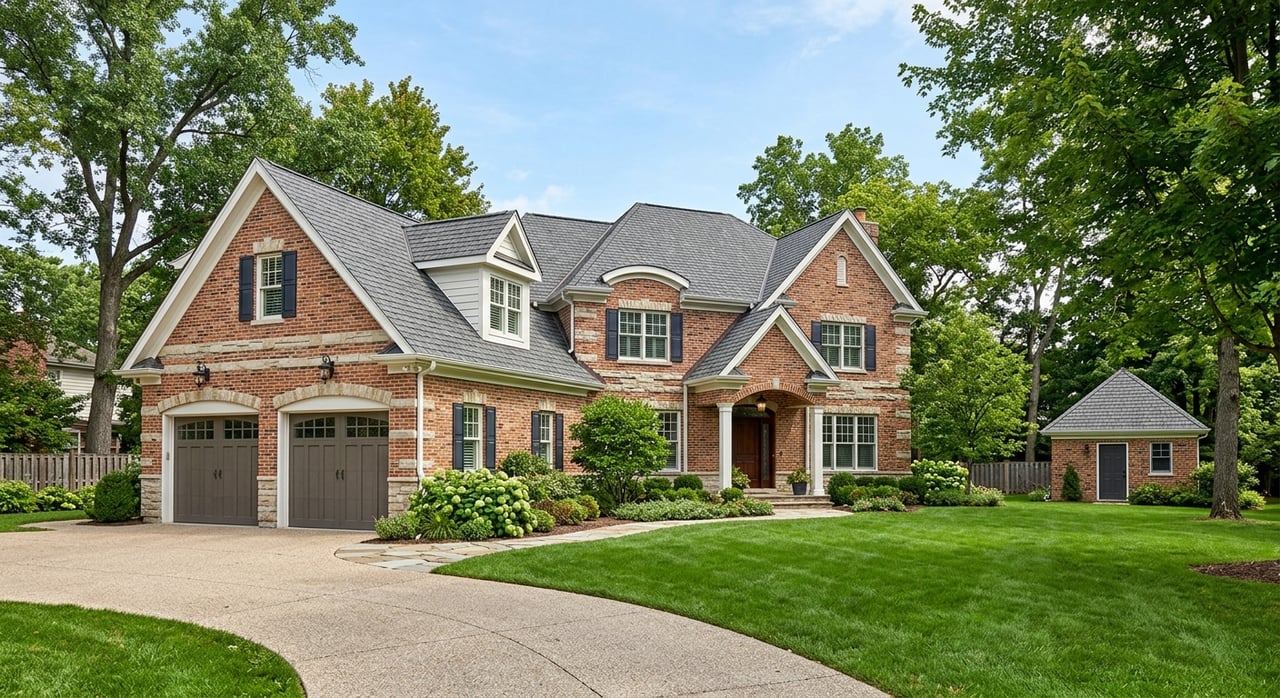
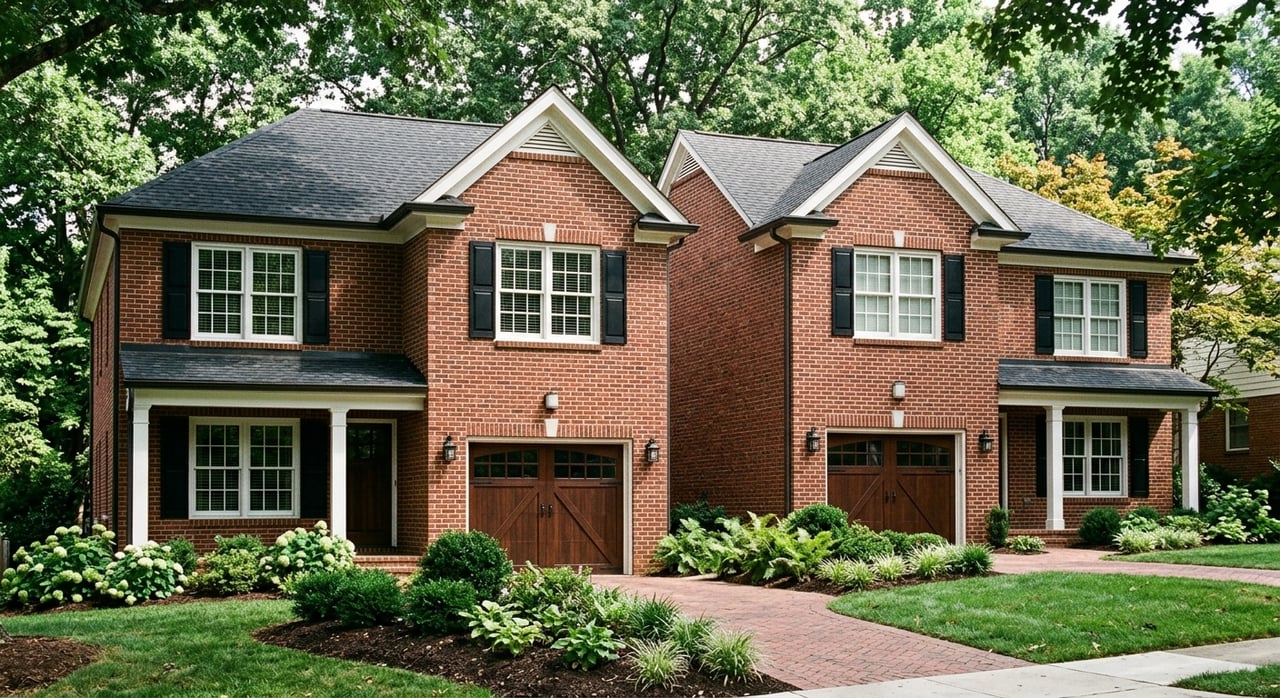
Downtown-adjacent Macon is best understood as a historic-core market. Instead of one dominant subdivision style, you will find a mix of older single-family homes, historic rehabs, and loft conversions shaped by the city’s long history.
That creates a lifestyle that feels more connected to place. Your routine may include walking to dinner, spending time at community events, or heading to a nearby trail or park instead of planning everything around a long drive.
Visit Macon describes historic downtown as a "city in a park" with wide boulevards, tree-lined streets, and strong walkability. That walkable layout is a big part of what makes this area stand out for buyers who want convenience and character in the same place.
Homes near downtown Macon
Historic homes define the area
Macon-Bibb County has 17 historic districts and more than 6,000 historic buildings. The Macon Historic District forms the city’s historic core and includes a broad mix of residential and civic buildings, from landmark homes to smaller worker houses and notable historic structures.
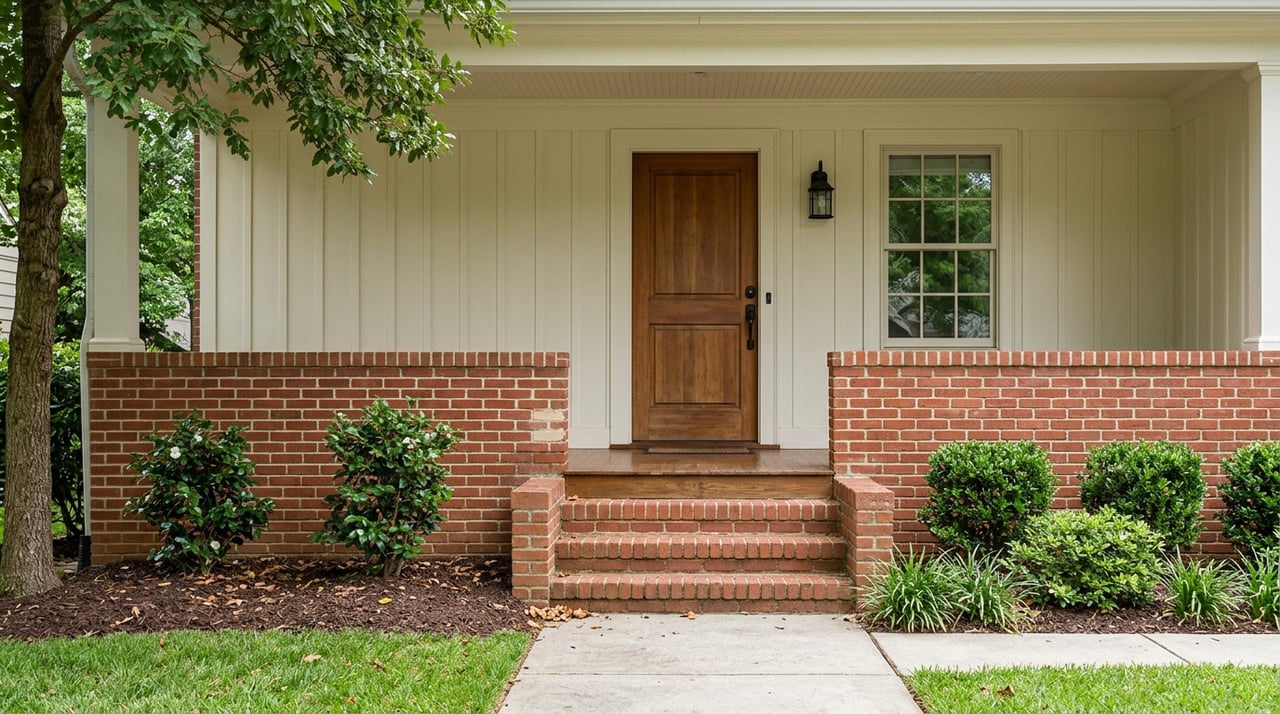
For you as a buyer, that usually means more architectural variety and more personality. Living near downtown often points you toward older homes with original details, mature streetscapes, and a sense of history that newer construction usually cannot match.
Nearby districts offer different settings
Areas such as College Hill, Huguenin Heights, and Tatnall Square Heights help show how the downtown core blends urban blocks with more residential-feeling streets. That means you can often choose between being closer to downtown activity or a little farther out while still staying connected to the same historic core.
This variety is useful if you like the idea of downtown access but want to compare different street patterns, lot sizes, and home styles. In this part of Macon, small location shifts can noticeably change how a neighborhood feels day to day.
Lofts are a real option downtown
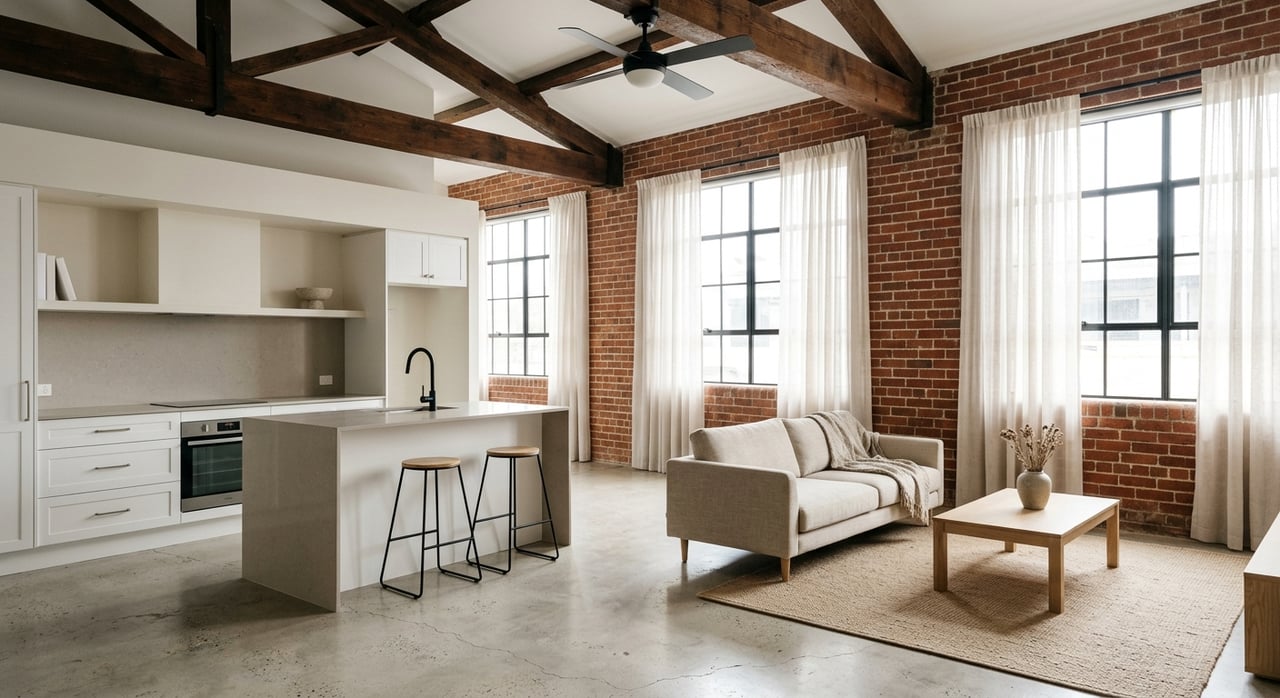
If you prefer low-maintenance living, downtown Macon has a meaningful loft market. According to NewTown Macon, downtown has more than 700 lofts and about 1,100 residents.
Rehab projects include Johnson Lofts, Spearman Lofts, Barfield Lofts, and the Lee Building. Layouts range from studios and one-bedroom units to micro-lofts and live-work combinations, which gives buyers and renters more flexibility than many people expect in a smaller downtown market.
Adaptive reuse shapes the market
Historic Macon notes that local, state, and federal incentives have helped convert warehouses, factories, and offices into loft apartments, storefronts, and restaurants. That is why adaptive reuse is such a visible part of the housing story near downtown.
For you, that means the area is not just historic in appearance. It is also a place where older buildings have been reworked for modern living, which can create unique floor plans and mixed-use environments that feel very different from suburban neighborhoods.
Lifestyle perks near downtown
Walkability is part of daily life
One of the biggest draws of living near downtown Macon is the ability to handle more of your day close to home. Whether you are meeting friends for dinner, exploring local events, or heading to a park, the compact layout can make everyday routines feel simpler.
That does not mean a fully car-free lifestyle for most residents. It does mean that walkability plays a bigger role here than it does in many car-dependent parts of Middle Georgia.
Dining options stay close by
Downtown Macon offers a broad dining mix for a relatively compact area. Local examples include Dovetail, Loom inside Hotel Forty Five, The Rookery, and Kudzu Seafood Company.
For buyers who enjoy trying local restaurants or having go-to spots nearby, this matters. You are not just buying a home. You are also choosing how easy it is to enjoy your weekends and evenings without driving across town.
Arts and music shape the identity
The downtown area has a strong arts and music presence. Mercer Music at Capricorn serves as a downtown music venue, museum, incubator, and studio complex, while the 567 Center for Renewal, McEachern Art Center, and Macon Arts Alliance and Gallery add exhibits, classes, and community programming.
This gives the area a cultural energy that many buyers want but do not always find in more spread-out neighborhoods. If you value local events, creative spaces, and an active calendar, downtown Macon delivers a lot within a short distance.
Events and nightlife add activity
NewTown Macon and Visit Macon both describe downtown as a nightlife and event hub. Visit Macon also notes that Macon Arts Alliance hosts Macon365.com as a community calendar for events and festivals.
That means there is often something happening nearby, from arts programming to live music and seasonal events. For some buyers, that is a major plus. For others, it is an important part of the lifestyle to weigh alongside parking, traffic flow, and proximity to activity.
Parks and outdoor access
Trails and riverside access stand out
The Ocmulgee Heritage Trail is the only riverside trail and park system in Middle Georgia. It is easily accessible from downtown and supports walking, biking, boating, and birdwatching while connecting to landmarks such as Ocmulgee National Historical Park and Historic Rose Hill Cemetery.
If outdoor access matters to you, this is one of downtown Macon’s strongest advantages. It gives nearby residents a way to enjoy nature and movement without needing to leave the core of the city behind.
Ocmulgee Mounds adds another option
Ocmulgee Mounds National Historical Park adds another major outdoor amenity nearby, with eight miles of trails and daily access to the grounds. For people living near downtown, that creates a rare mix of history, green space, and recreation within a short drive or ride.
This is part of what makes the area feel layered. You are not choosing between urban life and outdoor access as much as you might in other markets.
Public parks help balance urban living
Macon-Bibb lists several downtown and near-downtown parks, including Carolyn Crayton Park, Tattnall Square Park, Rosa Parks Square, Third Street Park, and Spirit of Macon Park. These spaces include features such as walking trails, playgrounds, open lawns, and gathering areas.
That green-space pattern is important to understand as you compare neighborhoods. Near downtown, the tradeoff is often less about large private yards and more about having shared public spaces, trails, and parks close by.
Commuting and getting around
Most people still drive
Even with downtown’s walkability, countywide commuting remains car-oriented. In the Georgia Department of Community Affairs Macon-Bibb comprehensive plan, based on 2019 ACS data, 82.73% of commuters used a single-occupancy vehicle.
Public transit accounted for 0.86%, walking for 2.03%, and working from home for 3.94%. So while downtown can make short trips easier, most households will still want to think through parking, car access, and regular driving patterns.
Commute times are manageable
The U.S. Census Bureau reports a mean travel time to work of 22.2 minutes for Macon-Bibb County in 2020-2024 ACS data. That helps explain why some buyers are comfortable trading a larger lot for a more connected location near downtown.
If you work in or around Macon, living close to the core may give you a practical mix of convenience, shorter local trips, and access to amenities that fit into your routine.
On-demand transit adds support
Rapid Transit is MBCTA’s app-based on-demand ride service. Zone I includes downtown Macon, Mercer University, Ingleside, parts of Gray Highway, and nearby retail and civic destinations, and the system is wheelchair accessible.
In practical terms, downtown living in Macon is best described as walkable and transit-supported rather than fully car-free. That distinction can help you set realistic expectations as you compare this area with more suburban parts of Bibb County.
Who tends to like this lifestyle most
Living near downtown Macon tends to work well for buyers who want historic character, mixed-use convenience, and close access to restaurants, arts, and parks. It can be a strong fit if you care more about charm, location, and local activity than about brand-new construction or a large yard.
It is also a smart area to consider if you want housing options that do not all look the same. Between older homes, historic rehabs, and lofts, you can often find a property that feels more distinct and personal.
What to compare before you buy
Before you decide, it helps to compare downtown-adjacent living with other parts of Macon in a clear, practical way. Here are a few factors to weigh:
- Home style: Older homes and lofts are common near downtown, while newer construction is less typical.
- Maintenance needs: Historic homes may come with more upkeep than newer properties.
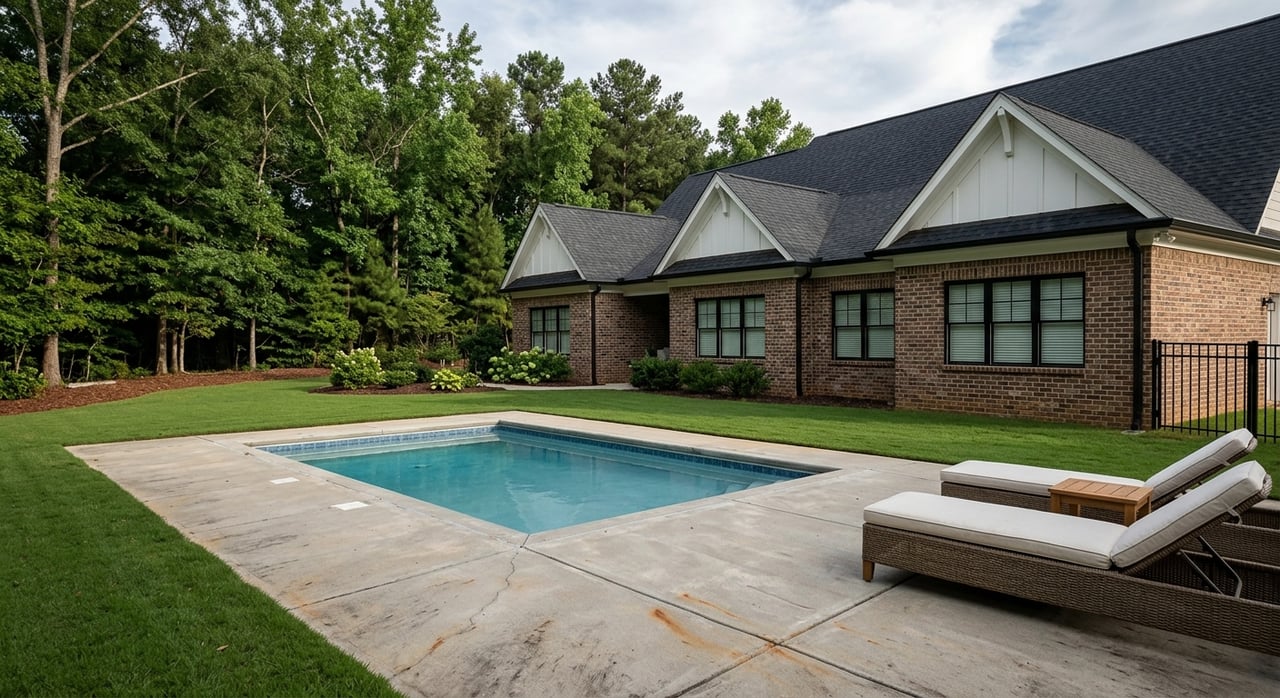
- Outdoor space: You may trade a large private yard for easier access to parks and trails.
- Mobility: Walkability improves convenience, but most households still rely on a car.
- Lifestyle fit: Dining, arts, events, and local character are stronger draws here than subdivision amenities.
If those tradeoffs sound appealing, downtown Macon may be worth a closer look. The key is to match the area’s strengths with the way you actually want to live.
Near downtown Macon offers a lifestyle that is hard to copy elsewhere in Middle Georgia. You get historic character, a real loft market, a walkable core, strong arts and music connections, and meaningful access to parks and trails, all within a market that still functions with practical commute times.
If you are weighing your options in Macon, having a local guide can make it much easier to compare home types, blocks, and lifestyle fit. AF Realty Group is here to help you explore Macon neighborhoods, understand your options, and take the next step with confidence.
FAQs
What types of homes can you find near downtown Macon?
- Near downtown Macon, you can find older single-family homes, historic rehabs, and downtown lofts, including studios, one-bedroom units, micro-lofts, and some live-work layouts.
Is downtown Macon walkable for everyday life?
- Historic downtown Macon is described by Visit Macon as very walkable, with wide boulevards and tree-lined streets, but most households in Macon-Bibb County still rely on a car for commuting.
What outdoor spaces are near downtown Macon?
- Near downtown, you have access to the Ocmulgee Heritage Trail, Ocmulgee Mounds National Historical Park, and several city parks such as Carolyn Crayton Park, Tattnall Square Park, Rosa Parks Square, Third Street Park, and Spirit of Macon Park.
Is loft living a real option in downtown Macon?
- Yes. NewTown Macon reports that downtown has more than 700 lofts, with options ranging from small studio-style spaces to larger layouts and live-work combinations.
Who is a good fit for living near downtown Macon?
- Buyers who want historic character, local dining, arts and music access, walkability, and proximity to parks often find downtown-adjacent Macon a strong fit, especially if they are comfortable with older housing and less private yard space.